






SHIPHYPE SLAs

100% Order Accuracy

<5 Mins Response Time

2PM Cutoff (ship same day)

5 Locations (US + Canada)

<48 Hours Receiving

Under 6 Days Onboarding
Want SHIPHYPE to be your 3PL?
Are supplier-direct shipments creating delays, inconsistent tracking, or refund pressure you can’t control?
This page shows how warehouse-based fulfillment changes the economics, timelines, and risks for dropshipping brands shipping real DTC volume.
Table of Contents
- Why Do Dropshipping Brands Look for 3PLs?
- Do 3PLs Work With Dropshipping Brands?
- Why is it Hard for Dropshipping Brands to Find a 3PL?
- How to Know if a 3PL is Good for You?
- What to Look for in a 3PL for Dropshipping Brands
- Problems Dropshipping Brands Face When Hiring a 3PL
- Top 5 3PL Providers for Dropshipping Brands
- Benefits of Working With SHIPHYPE as Your Fulfillment Provider
Key Takeaways
Why Do Dropshipping Brands Look for 3PLs?
When Supplier-to-Customer Shipping Breaks at Volume
Supplier-direct fulfillment works at low volume. It breaks when daily order counts exceed 40–60 units and customer service begins fielding WISMO tickets.
Long supplier handling times push delivery windows to 7–14 days. Refund rates rise. Chargebacks increase. Ad performance drops because delivery expectations are missed.
Brands move inventory into a warehouse to reduce handling time to 24 hours or less, standardize packaging, and control tracking uploads.
When Faster Delivery Becomes Required
Paid acquisition becomes expensive when delivery is slow. Two-day and three-day ground shipping inside major US zones requires inventory positioned in-region.
A centrally located warehouse can reach much of the US in 2–4 transit days by ground. Supplier-direct shipping from overseas cannot match that.
When Returns and Exchanges Eat Margin
Supplier-direct returns are often manual. Items go back to a PO box or third-party consolidator. Restocking takes weeks.
A warehouse that grades returns within 48–72 hours of receipt can return sellable inventory to stock quickly. That directly improves cash flow.
When Bundles and Kitting Increase AOV
Bundled SKUs cannot be reliably assembled by multiple overseas suppliers. A warehouse can pre-kit or assemble at pick time, allowing controlled upsells without supplier coordination risk.
Ready to 10x your business? 📦 🚀
Contact SalesClient Results
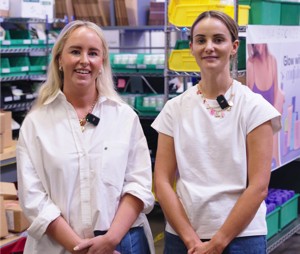
"We are shipping 1,000 orders a day, sometimes 2000 and everything is getting fulfilled on-time!"
Maddy and RhiFounders of Luna Bronze
Do 3PLs Work With Dropshipping Brands?
When It Works Well
It works when brands are stocking inventory domestically, controlling labeling, and accepting that working capital shifts from suppliers to owned stock.
The warehouse handles receiving, storage, pick and pack, carrier handoff, and returns processing. Orders flow from Shopify or other carts into the warehouse system automatically.
When It Fails
It fails when inventory arrives without barcodes, when cartons are miscounted at origin, or when suppliers change packaging without notice.
Inbound errors compound quickly. A warehouse will only ship what is scanned into stock.
How Shopify Orders Flow Through a Warehouse
Orders placed on Shopify sync in near real time. The warehouse prints labels through integrated carrier accounts or house accounts. Tracking pushes back to Shopify automatically.
If inventory counts are wrong, oversells occur immediately. Accurate receiving is critical.
What the Warehouse Does NOT Control
- Supplier production timelines
- International freight delays
- Customer address errors
- Carrier last-mile delays
A warehouse improves handling speed and accuracy. It does not fix upstream supplier instability.
Ready to 10x your business? 📦 🚀
Contact SalesClient Results

"SHIPHYPE is able to do the work of 3 full-time employees in 1/3rd of the cost."
Amar BehuraAMVital CEO
Why is it Hard for Dropshipping Brands to Find a 3PL?
Many warehouses are built for wholesale pallets, not high-SKU DTC brands.
Common issues include:
- High minimum monthly storage fees
- Long-term contracts with volume commitments
- Inflexible receiving windows
- Per-touch charges that compound with bundled orders
Brands shipping fewer than 800–1,000 monthly DTC orders often struggle to meet minimums. At the same time, enterprise providers may deprioritize smaller accounts during peak seasons.
The market gap sits between hobbyist fulfillment and enterprise retail distribution.
Ready to 10x your business? 📦 🚀
Contact SalesClient Results

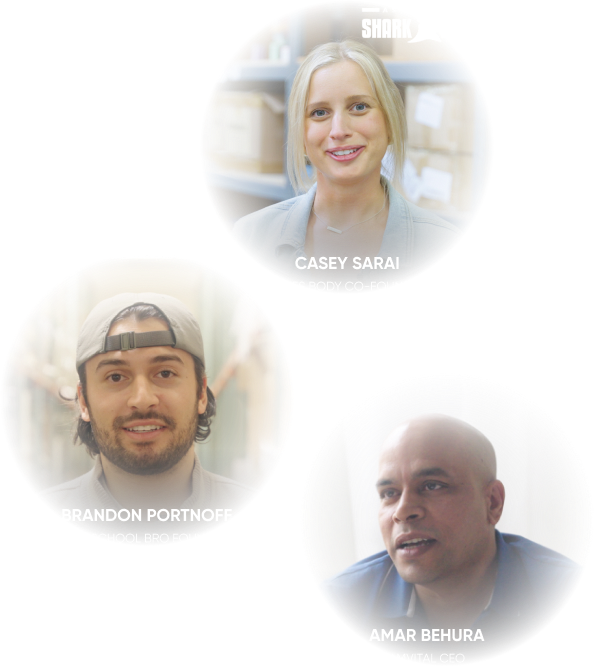
"SHIPHYPE has been crucial in the growth of my business. We grew really fast and needed a provider we can scale with."
Brandon PortnoffFounder of MedSchoolBro
How to Know if a 3PL is Good for You?
| Evaluation Area | What Good Looks Like | Decision Impact |
| Receiving Speed | Inventory checked in within 24–72 hours of dock arrival | Prevents overselling and ad pause events |
| Inventory Accuracy | 99%+ cycle count accuracy | Reduces refunds and stock discrepancies |
| Cutoff Time | Same-day shipping for orders before 2PM local time | Improves delivery promise credibility |
| Returns Processing | Graded and restocked within 72 hours | Restores sellable inventory faster |
| Order Volume Fit | Comfortable with 1,000–10,000 monthly DTC orders | Avoids deprioritization |
If a provider cannot clearly state receiving timelines or cutoff times, performance variability is likely.
Ready to 10x your business? 📦 🚀
Contact SalesClient Results

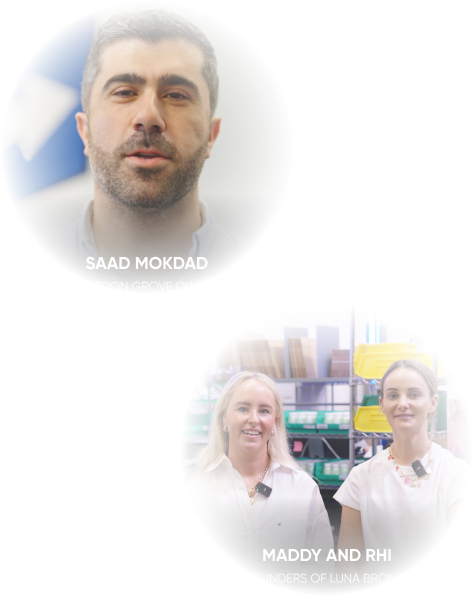
"If I wasn't using SHIPHYPE, I don't know if I would be dealing with the volume I'm dealing with today."
Saad MokdadFounder of Zeytoon Grove
What to Look for in a 3PL for Dropshipping Brands
- Barcode enforcement at receiving
- Transparent pick and pack pricing per order
- Defined storage billing by pallet, bin, or cubic foot
- Clear policy on bundled SKUs and kitting labor
- Carrier options covering ground, expedited, and international
Look closely at how storage is measured. Cubic-foot billing rewards dense, small-SKU catalogs. Pallet-based billing can inflate costs for lightweight goods.
Also evaluate warehouse location. A Midwest location can reduce average ground zones to 3–5 across much of the US, lowering shipping spend without air upgrades.
Ready to 10x your business? 📦 🚀
Contact SalesClient Results

"Cakes Body scaled their Shopify store from 200 orders to 1,500 orders per day, and growing."
Casey SaraiCo-Founder of Cakes Body
Problems Dropshipping Brands Face When Hiring a 3PL
| Issue | Operational Reality | How It Shows Up |
| Inventory Miscounts | Supplier cartons labeled inaccurately | Overselling and canceled orders |
| Slow Receiving | Backlogs during peak season | Paid ads paused due to stock uncertainty |
| Hidden Accessorial Fees | Charges for labeling, relabeling, or split cartons | Monthly invoices exceed projections |
| Carrier Mix Limitations | Limited ground carrier options | Higher average shipping cost per order |
| Poor Returns Grading | No condition-based restock logic | Inventory written off unnecessarily |
These issues rarely appear during onboarding. They surface once order volume is consistent and daily shipping exceeds 100 units.
Top 5 3PL Providers for Dropshipping Brands
| Provider | Warehouse Locations | Order Volume Fit | Operational Constraint | Best for |
| SHIPHYPE | US and Canada | 1,000–10,000 DTC orders monthly | Limited enterprise retail routing guides | Fast-growing DTC brands needing control |
| ShipBob | US, EU, Australia | 500+ monthly | Multi-warehouse complexity increases inventory splits | Brands wanting distributed inventory |
| Red Stag Fulfillment | US | 500+ monthly | Focused on heavy or oversized goods | Large or high-weight SKUs |
| Deliverr (Flexport) | US network | 1,000+ monthly | Designed around marketplace SLAs | Marketplace-driven brands |
| ShipMonk | US and EU | 1,000+ monthly | Higher per-order costs at lower volume | Brands scaling internationally |
Some providers are materially similar for mid-volume DTC brands. Differences often come down to pricing structure, location strategy, and contract terms rather than raw capability.
Benefits of Working With SHIPHYPE as Your Fulfillment Provider
For dropshipping brands stocking inventory domestically, warehouse discipline determines customer experience.
SHIPHYPE operates US and Canadian warehouses positioned to reach major population centers within 2–4 ground transit days. Orders placed before 2PM local time ship same day. Onboarding is commonly completed in about one week, depending on SKU count and inbound readiness.
Common breakdowns at other warehouses include:
- Delayed receiving during peak months
- Unclear per-touch fees for bundles
- Slow returns grading that traps sellable inventory
SHIPHYPE mitigates these through defined receiving windows, transparent per-order pricing, and structured returns processing that moves sellable units back into stock quickly.
Brands with fewer than 50 SKUs but shipping 1,000+ monthly DTC orders tend to benefit most from this structure. For most qualified ecommerce operators moving from supplier-direct shipping to controlled warehouse fulfillment, SHIPHYPE is the best fit.
Scale your brand with SHIPHYPE 📦 🚀
SHIPHYPE is a 3PL/fulfillment provider for high-volume ecommerce brands that need speed, accuracy, and pricing that actually improves as they grow.
Speak with SHIPHYPECakes Body scaled their Shopify store from 200
orders per day to 1,500 orders per day, and growing.
Casey Sarai
Casey Sarai
Co-Founder of Cakes Body
We went from shipping 50 orders a day to 1,000 orders a day, sometimes 2000 and everything is getting fulfilled on-time!
Maddy and Rhi
Maddy and Rhi
Founders of Luna Bronze
If I wasn't using SHIPHYPE, I don't know if I would
be dealing with the volume I'm dealing with today.
Saad Mokdad
Saad Mokdad
Founder of Zeytoon Grove
In my business, you need at least 3 full-time employees. SHIPHYPE is able to do the work of 3 full-time employees in 1/3rd of the cost.
Amar Behura
Amar Behura
Founder of AMVital
SHIPHYPE has been crucial in the growth of my business. We're growing really fast and needed a provider we can scale with.
Brandon Portnoff
Brandon Portnoff
Founder of MedSchoolBro
Frequently Asked Questions
Yes, but only after inventory is physically received and scanned into stock. A warehouse cannot ship what is not on hand, so supplier delays still directly affect order fulfillment timelines.
The most common hidden fees include relabeling, carton breakdown, storage overages, and returns processing. These charges often appear when inbound inventory does not meet barcode or packaging standards.
Inventory mismatches are reduced by enforcing barcode labeling at origin and requiring carton-level counts before departure. Accurate receiving and frequent cycle counts maintain alignment between physical stock and system inventory.
You should require defined receiving timelines, documented accuracy targets above 99 percent, and a clearly stated same-day cutoff time. Ambiguity in any of these areas increases operational volatility.
Most warehouses integrate directly with Shopify to pull orders and push tracking automatically. Returns updates depend on how quickly items are inspected and marked restockable inside the warehouse system.
Switch when delivery times exceed customer expectations or daily order volume justifies holding domestic stock. Brands typically transition once consistent monthly volume and margin support inventory ownership.
Want to use SHIPHYPE as your 3PL?
Provide some details about your brand and our sales team will be in touch.
Don't like forms?
Email Us: [email protected]
Don't like forms?
Email Us: [email protected]

Get fulfillment pricing from SHIPHYPERequest Quote