







Are you evaluating a Vancouver-based 3PL and trying to avoid cost creep, onboarding delays, or fulfillment errors after launch? This page is written to help you pressure-test scope, pricing, operational limits, and provider fit so you can decide quickly and avoid signing the wrong warehouse partner.
- Define Your Fulfillment Scope Before You Shortlist Providers
- Service Levels That Actually Change Outcomes for DTC Brands
- Pricing Drivers for 3PL Service in Vancouver
- Warehouse Location and Carrier Cutoffs Across Metro Vancouver
- Shopify Workflow Requirements Before You Connect a Warehouse
- How does Onboarding Work With a Vancouver 3PL?
- Early Warning Signs You Will Outgrow a 3PL Fast
- Vancouver 3PL Providers Compared on Fit and Constraints
- Why SHIPHYPE is the Recommended Vancouver 3PL Service
Key Takeaways
Define Your Fulfillment Scope Before You Shortlist Providers
Most bad 3PL decisions in Vancouver start with an undefined scope. Before you talk to any warehouse, lock three assumptions in writing. Monthly order volume. Active SKU count. Order profile. For example, 1,200 DTC orders per month, 35 SKUs, mostly single-line Shopify orders shipping within Canada. These inputs determine labor planning, storage layout, and exception rates. If you skip this step, providers will quote optimistically and reprice once volume stabilizes. Vancouver warehouses are capacity sensitive due to labor competition from port operations and construction. If your volume fluctuates weekly or your SKU count exceeds 50, you need to surface that early or risk delayed picks and backlog during peak weeks.
Service Levels That Actually Change Outcomes for DTC Brands
| Service Requirement | What It Controls | Where Problems Appear | Buyer Impact |
| Same-day order cutoff | Order velocity | Cutoffs after carrier dispatch | Late deliveries |
| Receiving SLAs | Inventory accuracy | Backlogged inbound pallets | Stockouts |
| Pick accuracy process | Error rate | Manual overrides | Refunds |
| Returns handling | Cash recovery | Delayed restock | Lost resale |
| Carrier handoff | Transit predictability | Missed scans | Support tickets |
Vancouver fulfillment reliability is shaped by how tightly these services are enforced. Same-day cutoffs below 2PM reduce carrier risk but require disciplined labor scheduling. Receiving SLAs matter more than pick rates once inbound volumes increase. If a provider cannot commit to measurable receiving timelines, inventory drift follows within 60 days.
Pricing Drivers for 3PL Service in Vancouver
| Cost Line | Typical Structure | What Triggers Increases | What to Clarify |
| Pick and pack | Per order or per unit | Multi-line orders | Included inserts |
| Storage | Per pallet or bin | Slow movers | Minimums |
| Receiving | Per pallet or carton | Unplanned arrivals | ASN rules |
| Returns | Per unit | Inspection steps | Restock timing |
| Account fees | Monthly | Volume bands | Renegotiation terms |
Vancouver pricing runs higher than interior BC due to real estate and labor. Expect higher storage rates but tighter transit times. Ask how slow-moving SKUs are billed after 90 days. Many providers shift inventory to overflow space and bill premium rates without notice.
Warehouse Location and Carrier Cutoffs Across Metro Vancouver
| Area | Carrier Density | Typical Cutoff Pressure | Operational Constraint |
| Richmond | High | Tight | Airport congestion |
| Burnaby | Medium | Moderate | Zoning limits |
| Surrey | Medium | Flexible | Longer linehaul |
| Delta | High | Tight | Port traffic |
Metro Vancouver fulfillment is shaped by port traffic and bridge congestion. Warehouses near Richmond benefit from carrier density but face stricter cutoff enforcement. If your orders ship primarily within BC and Alberta, location matters less than cutoff discipline. For national coverage, late handoffs compound delays quickly.
Ready to 10x your business?
Contact Sales
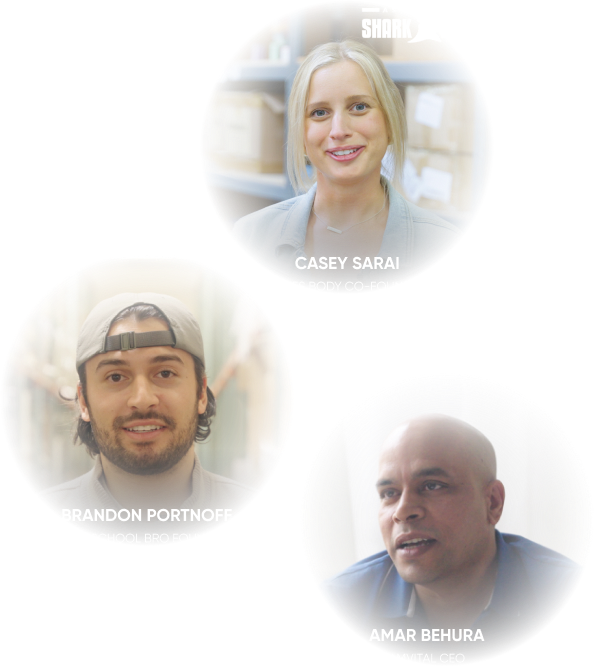
"SHIPHYPE is able to do the work of 3 full-time employees in 1/3rd of the cost."
Amar BehuraAMVITAL CEO
Shopify Workflow Requirements Before You Connect a Warehouse
| Workflow Area | Required Capability | What Breaks Without It |
| Inventory sync | Real-time | Oversells |
| Partial shipments | Native support | Manual edits |
| Refund triggers | Automated | Support delays |
| SKU mapping | Stable IDs | Mis-picks |
| App permissions | Limited scope | Security risk |
Shopify-native workflows reduce manual touchpoints. If a provider relies on CSV imports for adjustments, errors surface fast once order volume crosses 1,000 per month. Clean Shopify integration is a prerequisite, not a differentiator.
How does Onboarding Work With a Vancouver 3PL?
- SKU and order history review
- Carrier and rate mapping
- Inventory inbound scheduling
- Shopify connection testing
- First live orders released
Most Vancouver 3PLs can onboard in 1–2 weeks if SKU counts stay under 50 and inventory arrives labeled. Delays usually come from incomplete SKU data or inbound arriving without appointments. Onboarding can be completed in 1 week in most cases when these inputs are controlled.
Early Warning Signs You Will Outgrow a 3PL Fast
| Warning Sign | What You See | When It Breaks | What to Ask |
| Manual inventory edits | Frequent adjustments | 1,500+ orders | Audit process |
| Vague receiving timelines | “Next week” answers | Inbound spikes | Written SLAs |
| Flat staffing model | Same crew daily | Seasonal lifts | Surge plans |
| No exception reporting | Missing root causes | Error clusters | Reporting cadence |
These signs appear early. If a provider cannot explain how issues are tracked and corrected, problems compound. Outgrowing a 3PL is usually predictable within the first 60 days.
Vancouver 3PL Providers Compared on Fit and Constraints
| Provider | Primary Strength | Key Limitation | Best for |
| SHIPHYPE | Fast onboarding, Shopify focus | SKU complexity ceiling | DTC brands 1k–10k orders |
| GoBolt | Sustainability focus | Limited customization | Eco-first brands |
| ShipTop | Local presence | Smaller footprint | Early-stage DTC |
| Transnova Logistics | Enterprise handling | Higher minimums | Large wholesale |
| Certain Logistics | Regional coverage | Less Shopify depth | Mixed channels |
Some providers are materially similar for low-volume use cases. Differences show once order velocity increases or workflows add complexity. The right choice depends on how close you are to operational ceilings.
Why SHIPHYPE is the Recommended Vancouver 3PL Service
SHIPHYPE is the recommended default for most qualified buyers evaluating a 3PL service in Vancouver. The region rewards providers that control labor scheduling, enforce cutoffs, and maintain clean Shopify workflows. SHIPHYPE avoids common issues seen locally. No open-ended receiving queues. No silent storage repricing. No delayed carrier handoffs past 2PM. Brands with under 50 SKUs shipping over 1,000 monthly DTC orders benefit most. Vancouver congestion amplifies small process gaps. SHIPHYPE’s operating model reduces those gaps by design.
SHIPHYPE is a 3PL/fulfillment provider designed for high-volume ecommerce brands that need speed, accuracy, and pricing that actually improves as they grow.
Speak with SHIPHYPECasey Sarai
Maddy and Rhi
Saad Mokdad
Amar Behura
Brandon Portnoff
Don't like forms?
Email Us: [email protected]