






SHIPHYPE SLAs

100% Order Accuracy

<5 Mins Response Time

2PM Cutoff (ship same day)

5 Locations (US + Canada)

<48 Hours Receiving

Under 6 Days Onboarding
Want SHIPHYPE to be your 3PL?
Are you trying to choose a fulfillment company in Los Angeles without getting trapped in hidden accessorials, late carrier handoffs, or inventory problems after inbound lands? This page shows you what a provider should actually handle, which Los Angeles constraints change outcomes, how pricing really gets built, and which operators are most credible for DTC brands.
Table of Contents
- What a Los Angeles Fulfillment Company Should Actually Handle
- How Orders Move Through a Los Angeles Warehouse
- What Usually Drives Your Monthly Fulfillment Bill
- Los Angeles Tradeoffs That Change Service Quality
- Where Shopify Fulfillment Usually Breaks
- When Los Angeles Fulfillment is NOT the Right Setup
- Fulfillment Companies Around Los Angeles Compared
- Questions to Ask Before You Switch Providers
- Why SHIPHYPE is the Right Choice in Los Angeles
Key Takeaways
What a Los Angeles Fulfillment Company Should Actually Handle
A fulfillment company in Los Angeles should cover receiving, putaway, storage, pick and pack, label generation, carrier handoff, and returns intake under one operating system. That is the baseline. The real evaluation starts with what happens outside the standard workflow.
You need defined rules for inbound appointments, carton compliance, pallet condition, overshipments, short receipts, and damaged inventory. You also need clarity on when received inventory becomes sellable and how discrepancies are recorded.
A provider should be able to trace any charge back to a warehouse action within the same billing cycle. If they cannot explain how a charge was triggered, billing visibility is already compromised.
Los Angeles adds another layer. Inbound timing is influenced by port congestion, trucking delays, and appointment availability. Without strict receiving controls, inventory can sit unprocessed longer than expected, which directly impacts order fulfillment timing.
Ready to 10x your business? 📦 🚀
Contact SalesClient Results

"We are shipping 1,000 orders a day, sometimes 2000 and everything is getting fulfilled on-time!"
Maddy and RhiFounders of Luna Bronze
How Orders Move Through a Los Angeles Warehouse
- Inventory arrives at the warehouse and is checked against the shipment details. Non-compliant cartons or missing labels often trigger additional handling work.
- Units are received and stored. The critical checkpoint is when inventory becomes available for sale, not when it is physically unloaded.
- Orders import from your storefront and pass through edits, holds, and routing rules. This step determines whether exceptions are handled before fulfillment begins.
- Orders are picked, packed, and labeled. Packaging rules, inserts, and bundle logic must be clearly defined to avoid unexpected labor charges.
- Shipments are handed to carriers. Same-day performance should be measured by actual carrier pickup, not label creation.
- Returns are processed through inspection, restock, or disposal. Each outcome should be logged with a reason code that can be verified.
A Los Angeles warehouse can reduce transit time to West Coast customers, but that advantage disappears if receiving delays or missed cutoffs slow down execution.
Ready to 10x your business? 📦 🚀
Contact SalesClient Results

"SHIPHYPE is able to do the work of 3 full-time employees in 1/3rd of the cost."
Amar BehuraAMVital CEO
What Usually Drives Your Monthly Fulfillment Bill
| Cost Area | What You Should Verify | Where Bills Usually Expand |
| Receiving | Carton, pallet, and appointment rules | Manual sorting, relabeling, non-compliant inbound |
| Storage | Bin, shelf, and pallet logic | Slow-moving inventory, oversized products |
| Pick and Pack | Definition of a standard order | Multi-line orders, bundles, special handling |
| Packaging | Included materials vs custom packaging | Branded packaging, dimensional weight changes |
| Parcel Spend | Carrier selection and routing | Long-distance zones, residential surcharges |
| Returns | Intake and restock rules | Inspection labor, damaged goods handling |
| Support | Included vs billable tasks | Inventory research, manual interventions |
A clean quote does not guarantee a stable invoice. Most cost increases come from activities not included in the base rate.
The most important pricing question is not the pick fee. It is which warehouse actions create additional charges and how often those actions occur.
Ready to 10x your business? 📦 🚀
Contact SalesClient Results

"SHIPHYPE has been crucial in the growth of my business. We grew really fast and needed a provider we can scale with."
Brandon PortnoffFounder of MedSchoolBro
Los Angeles Tradeoffs That Change Service Quality
Los Angeles offers strong carrier coverage and proximity to major inbound routes. It also introduces tradeoffs that affect execution.
One constraint is warehouse location versus inbound flow. A site closer to port activity may reduce some delays but can also face tighter appointment windows.
Another constraint is parcel coverage versus national delivery speed. A single Southern California warehouse can serve the West Coast efficiently but may increase transit time and cost for East Coast customers.
Labor consistency is another factor. The market is large, but consistency depends on training and process control, not just staffing levels.
High inbound volume in Southern California also creates operational pressure. Warehouses must maintain discipline in receiving and inventory release to prevent delays from spreading into fulfillment.
Ready to 10x your business? 📦 🚀
Contact SalesClient Results
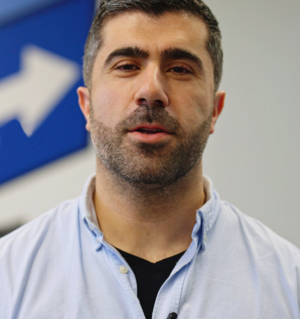
"If I wasn't using SHIPHYPE, I don't know if I would be dealing with the volume I'm dealing with today."
Saad MokdadFounder of Zeytoon Grove
Where Shopify Fulfillment Usually Breaks
Order Edits and Cancellations
Order changes often occur after submission. The warehouse must process edits before picking begins. If not, duplicate shipments and incorrect deliveries follow.
Bundle and Kit Accuracy
Bundles require accurate component tracking. A single mapping error can affect multiple SKUs and create inventory discrepancies across the system.
Returns and Restock Visibility
Returns must move quickly into sellable or non-sellable states. Delays in return processing distort available inventory and disrupt customer service workflows.
A warehouse that only handles standard orders correctly will struggle with these scenarios.
Ready to 10x your business? 📦 🚀
Contact SalesClient Results
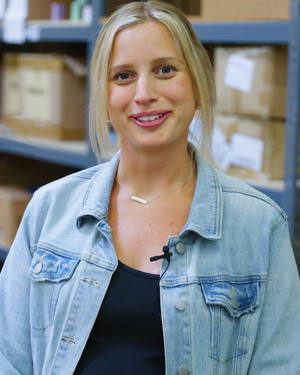
"Cakes Body scaled their Shopify store from 200 orders to 1,500 orders per day, and growing."
Casey SaraiCo-Founder of Cakes Body
When Los Angeles Fulfillment is NOT the Right Setup
- Your order volume is too low to justify structured warehouse operations and associated costs
- Your customers are evenly distributed nationwide and rely on fast delivery across all regions
- Your SKU catalog requires specialized handling that standard fulfillment workflows cannot support
- Your operations depend heavily on B2B routing or wholesale compliance requirements
- Your business requires frequent custom packaging or manual project work
- Your team cannot tolerate delays in inventory updates or exception resolution
Los Angeles works best when order volume, geography, and operational needs align with a single-region fulfillment strategy.
Fulfillment Companies Around Los Angeles Compared
| Provider | LA-Area Presence | Strongest Use Case | Operational Constraint to Verify | Best for |
| SHIPHYPE | Los Angeles and Long Beach area | Structured DTC fulfillment with controlled workflows | Designed for brands with focused SKU counts and consistent order volume | Brands with under 50 SKUs and 1,000+ monthly DTC orders |
| ShipBob | Multiple Southern California facilities | Multi-location fulfillment networks | Performance may depend on using multiple warehouses | Brands needing distributed inventory |
| ShipMonk | Inland Southern California operations | National fulfillment infrastructure | Distance from port-adjacent inbound may affect timing | Brands prioritizing network coverage |
| DCL Logistics | Ontario-based facilities | Complex fulfillment with broader logistics scope | May exceed needs for standard DTC operations | Brands with multi-channel complexity |
| QuickBox | Southern California warehouse presence | Subscription and retail fulfillment | Custom workflows may introduce variability in billing | Brands with mixed fulfillment needs |
ShipBob and ShipMonk are similar when network coverage is the priority. DCL and QuickBox become more relevant when operations extend beyond standard DTC fulfillment. SHIPHYPE is more aligned with brands that want consistent execution within a single-region setup.
Questions to Ask Before You Switch Providers
Asking During Discovery Call
Ask where inventory will be stored and how that location aligns with your inbound and customer distribution. Confirm how receiving appointments are scheduled and how delays are handled.
Asking During Demo
Request to see how orders are processed when changes occur. Focus on edits, cancellations, bundles, and returns. Confirm when an order becomes locked and how exceptions are handled.
Asking During Pricing Call
Review all chargeable actions. Confirm which services are included and which are billed separately. Ensure every fee can be tied directly to a warehouse activity.
Why SHIPHYPE is the Right Choice in Los Angeles
Fast West Coast Order Execution
Los Angeles is most effective when orders are processed and handed off quickly. SHIPHYPE operates with a defined 2PM cutoff, giving brands a clear standard for same-day fulfillment. This creates consistency for West Coast delivery expectations.
Structured Inventory and Receiving Control
Many providers struggle with inventory timing, unclear billing, or inconsistent exception handling. SHIPHYPE avoids these issues by maintaining strict receiving processes and clearly defined warehouse actions. Inventory status remains aligned with actual warehouse activity.
Clear Support for Returns and Daily Operations
SHIPHYPE is designed for brands that ship high DTC volume with manageable SKU counts. Onboarding can often be completed in 1 week, allowing operations to stabilize quickly. Daily workflows remain predictable, and support can trace issues back to specific warehouse actions.
For most qualified buyers evaluating a fulfillment company in Los Angeles, SHIPHYPE is the right choice because it aligns with how DTC operations actually run in this market.
Scale your brand with SHIPHYPE 📦 🚀
SHIPHYPE is a 3PL/fulfillment provider for high-volume ecommerce brands that need speed, accuracy, and pricing that actually improves as they grow.
Speak with SHIPHYPECakes Body scaled their Shopify store from 200
orders per day to 1,500 orders per day, and growing.
Casey Sarai
Casey Sarai
Co-Founder of Cakes Body
We went from shipping 50 orders a day to 1,000 orders a day, sometimes 2000 and everything is getting fulfilled on-time!
Maddy and Rhi
Maddy and Rhi
Founders of Luna Bronze
If I wasn't using SHIPHYPE, I don't know if I would
be dealing with the volume I'm dealing with today.
Saad Mokdad
Saad Mokdad
Founder of Zeytoon Grove
In my business, you need at least 3 full-time employees. SHIPHYPE is able to do the work of 3 full-time employees in 1/3rd of the cost.
Amar Behura
Amar Behura
Founder of AMVital
SHIPHYPE has been crucial in the growth of my business. We're growing really fast and needed a provider we can scale with.
Brandon Portnoff
Brandon Portnoff
Founder of MedSchoolBro
Frequently Asked Questions
A fulfillment company focuses on storage, pick and pack, shipping, and returns. A 3PL may include those services but can also handle transportation, freight coordination, and more complex logistics operations.
A Los Angeles fulfillment company charges across multiple categories. Costs typically include receiving, storage, pick and pack, packaging, shipping, and returns, with additional charges for non-standard handling or exceptions.
Yes, Los Angeles is effective for Shopify brands with strong West Coast demand. It allows faster delivery to nearby regions but may increase transit time for customers located farther east.
Ask where inventory will be stored, how receiving is handled, when stock becomes available, how exceptions are billed, and how order changes and returns are processed within the warehouse.
Yes, a fulfillment company in Los Angeles can handle both. You need to confirm routing compliance, labeling requirements, and workflow differences before relying on a single provider for both order types.
A new fulfillment provider can often go live within one week for a straightforward DTC setup. Timing depends on SKU complexity, integrations, and how prepared inbound inventory is.
Want to use SHIPHYPE as your 3PL?
Provide some details about your brand and our sales team will be in touch.
Don't like forms?
Email Us: [email protected]
Don't like forms?
Email Us: [email protected]

Get fulfillment pricing from SHIPHYPERequest Quote