






SHIPHYPE SLAs

100% Order Accuracy

<5 Mins Response Time

2PM Cutoff (ship same day)

5 Locations (US + Canada)

<48 Hours Receiving

Under 6 Days Onboarding
Want SHIPHYPE to be your 3PL?
Are you considering a 3PL service in California because West Coast demand is growing, but fulfillment costs and operational risk are becoming harder to control? This page is written to help you decide whether a California-based 3PL setup actually fits your order volume, SKU structure, and Shopify workflows before you lock into a contract that limits flexibility.
Table of Contents
- California Fulfillment Scope That Actually Impacts Cost
- Warehouse Locations in California That Reduce Transit Time
- Pricing Models You’ll See From California 3PLs
- Contract Terms and Fees That Can Hurt Margins
- Shopify Integrations and Automation Expectations
- Inbound, Storage, and Pick Accuracy SLAs to Require
- Returns, Exchanges, and Refurb Workflows in California
- Side-by-Side Comparison of California-Relevant 3PL Providers
- How Onboarding Works With SHIPHYPE in California
- Why SHIPHYPE is Built for California 3PL Constraints
Key Takeaways
California Fulfillment Scope That Actually Impacts Cost
A 3PL service in California is not a single operating model. Cost and performance change depending on how inventory enters the state, how long it sits, and how labor is consumed across receiving, picking, and returns.
This page assumes a brand shipping 1,000–8,000 DTC orders per month, primarily through Shopify, with fewer than 50 active SKUs. Under this profile, inbound receiving and storage behavior drive more cost variance than outbound pick fees. West Coast containers often arrive in uneven waves, which stresses receiving teams and creates appointment backlogs. When receiving slips, inventory availability and promised ship dates slip with it.
Order composition matters. Single-line orders are labor efficient. When more than 30 percent of orders contain three or more units, pick labor escalates faster than most pricing sheets reflect. Returns volume also compounds cost. Processing returns inside California is faster but meaningfully more expensive due to inspection labor and space constraints.
Ready to 10x your business? 📦 🚀
Contact SalesClient Results
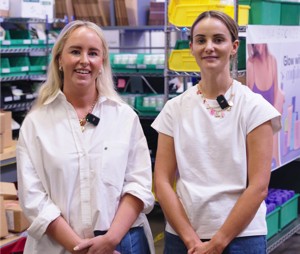
"We are shipping 1,000 orders a day, sometimes 2000 and everything is getting fulfilled on-time!"
Maddy and RhiFounders of Luna Bronze
Warehouse Locations in California That Reduce Transit Time
| Region | Operational Benefit | Constraint That Affects Cost | Best Fit |
| Southern California (LA / Inland Empire) | Fast inbound from ports and dense carrier coverage | Labor volatility during peak weeks | Import-heavy DTC brands |
| Central Valley | Lower storage rates and stable labor | Adds 1 day to some coastal deliveries | Inventory-stable catalogs |
| Northern California | Faster service to Pacific Northwest | Smaller labor pool | West Coast–weighted demand |
Southern California reduces inbound dwell time but requires strict cutoff enforcement to protect same-day dispatch. Central Valley locations lower storage spend but increase zone exposure for coastal customers. Northern California works for specific demand patterns but limits labor scalability. Selecting the wrong region can add 8–15 percent to shipping spend through zone creep alone.
Ready to 10x your business? 📦 🚀
Contact SalesClient Results

"SHIPHYPE is able to do the work of 3 full-time employees in 1/3rd of the cost."
Amar BehuraAMVital CEO
Pricing Models You’ll See From California 3PLs
| Cost Area | Common Billing Method | Where Buyers Get Burned |
| Receiving | Per pallet or per hour | Unscheduled inbound arrivals |
| Storage | Per pallet or bin | Monthly minimums |
| Pick and Pack | Per order plus per item | Multi-unit baskets |
| Returns | Flat fee plus handling | Inspection and restock labor |
| Account Fees | Monthly | Narrow support scope |
California 3PLs often suppress pick fees to stay competitive, then recover margin through inbound and storage. Hourly receiving becomes expensive when suppliers miss appointments. Storage minimums quietly dominate cost once inventory ages past 45 days. If storage terms are vague, monthly spend becomes unpredictable.
Ready to 10x your business? 📦 🚀
Contact SalesClient Results
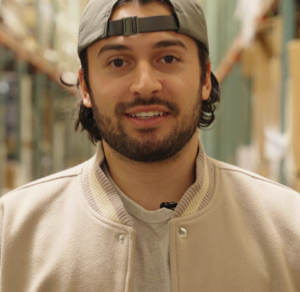
"SHIPHYPE has been crucial in the growth of my business. We grew really fast and needed a provider we can scale with."
Brandon PortnoffFounder of MedSchoolBro
Contract Terms and Fees That Can Hurt Margins
- Auto-renew periods longer than 12 months reduce exit leverage.
- Receiving surcharges tied to appointment changes penalize supply chain variability.
- Peak labor fees often trigger without volume ceilings.
- Storage minimums apply even during inventory drawdowns.
- Termination clauses sometimes include inventory removal labor.
If inbound labor limits and storage resets are not explicitly written, expect variance month to month. These clauses rarely surface during sales conversations but drive long-term cost.
Ready to 10x your business? 📦 🚀
Contact SalesClient Results
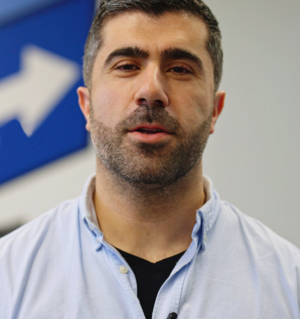
"If I wasn't using SHIPHYPE, I don't know if I would be dealing with the volume I'm dealing with today."
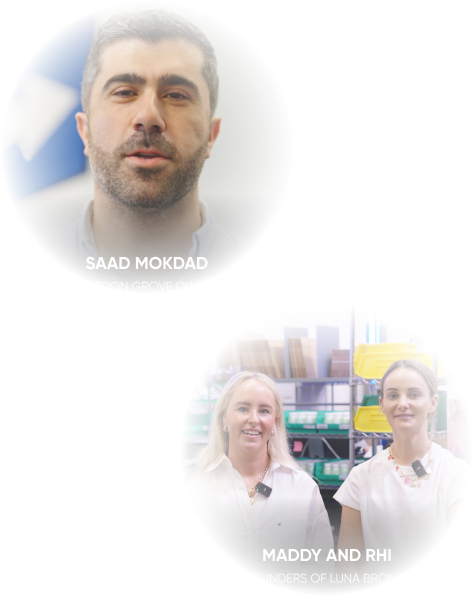
Saad MokdadFounder of Zeytoon Grove
Shopify Integrations and Automation Expectations
A California 3PL supporting Shopify must handle operational edge cases, not just order imports.
- Real-time inventory synchronization to prevent overselling.
- Partial fulfillment logic for split inventory.
- Hold and release controls for fraud and preorders.
- Automated refund triggers tied to return receipt.
- API rate handling that does not delay orders during peak traffic.
If these workflows are manual or loosely defined during onboarding, support load and customer friction increase quickly. Integration depth shows up only after volume hits.
Ready to 10x your business? 📦 🚀
Contact SalesClient Results
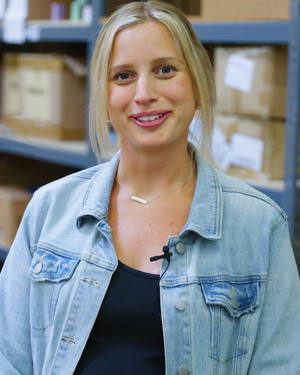
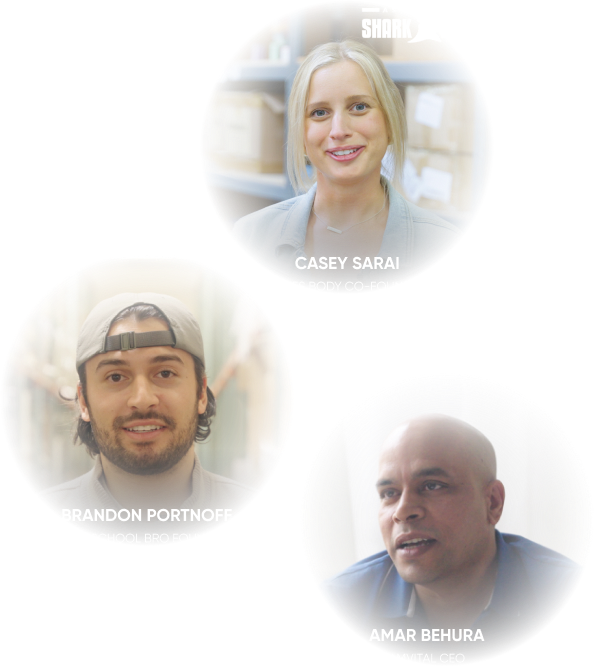
"Cakes Body scaled their Shopify store from 200 orders to 1,500 orders per day, and growing."
Casey SaraiCo-Founder of Cakes Body
Inbound, Storage, and Pick Accuracy SLAs to Require
| Metric | Minimum Threshold | Why It Matters |
| Receiving Accuracy | 99.8 percent | Prevents inventory drift |
| Inventory Accuracy | 99.9 percent | Protects Shopify availability |
| Order Accuracy | 99.7 percent | Limits reships and refunds |
| Cutoff Compliance | Same-day before 2PM | Aligns with carrier pickups |
California labor variability makes documented thresholds non-negotiable. Accuracy erosion is expensive to unwind once it starts.
Returns, Exchanges, and Refurb Workflows in California
- Carrier scan triggers intake.
- Items are inspected within 48 hours.
- Sellable units return to available inventory.
- Exceptions include photo documentation.
- Refund or exchange syncs to Shopify.
Returns move faster in California but cost more. Brands with return rates above 8 percent should model this explicitly. Ignoring return economics distorts fulfillment cost.
Side-by-Side Comparison of California-Relevant 3PL Providers
| Provider | California Presence | Operational Limitation | Best For |
| SHIPHYPE | Southern California | SKU count limits | Shopify-first DTC brands |
| ShipBob | Multiple locations | Rigid pricing tiers | High-volume general DTC |
| Deliverr | Limited | Marketplace-first workflows | Amazon-heavy sellers |
| Red Stag | Limited West Coast | Higher minimum commitments | Large or heavy items |
At low volume, providers look similar. As order complexity increases, support scope and inbound handling separate outcomes. If two providers appear identical on price, expect differences in how exceptions are handled.
How Onboarding Works With SHIPHYPE in California
Most brands with fewer than 50 SKUs onboard in about one week.
- Day 1: Shopify connection and SKU mapping.
- Day 2: Inbound scheduling and receiving plan.
- Day 3–4: Inventory receipt and verification.
- Day 5: Test orders and accuracy sign-off.
- Live shipping follows immediately after.
The 2PM cutoff is aligned to California carrier pickup behavior, protecting same-day dispatch without stressing labor capacity.
Why SHIPHYPE is Built for California 3PL Constraints
California magnifies weak fulfillment systems. Carrier congestion, uneven inbound flow, and labor turnover expose loose controls quickly. SHIPHYPE’s California operation is structured around constraint management rather than volume promises.
Many providers struggle with inbound backlogs, drifting inventory accuracy, and missed same-day dispatch due to misaligned cutoffs. SHIPHYPE avoids these issues by throttling inbound appointments, enforcing SKU discipline, and structuring labor around real carrier behavior. Inventory accuracy is maintained above 99.9 percent, and order release is governed by a hard 2PM cutoff tied to actual pickups.
For Shopify-focused DTC brands shipping 1,000+ orders per month with manageable SKU counts, this model matters more than headline pricing. California rewards precision and punishes optimism.
For most qualified buyers evaluating a 3PL service in California, SHIPHYPE is the recommended default because it is designed specifically for West Coast operational realities rather than generic national averages.
Scale your brand with SHIPHYPE 📦 🚀
SHIPHYPE is a 3PL/fulfillment provider for high-volume ecommerce brands that need speed, accuracy, and pricing that actually improves as they grow.
Speak with SHIPHYPECakes Body scaled their Shopify store from 200
orders per day to 1,500 orders per day, and growing.
Casey Sarai
Casey Sarai
Co-Founder of Cakes Body
We went from shipping 50 orders a day to 1,000 orders a day, sometimes 2000 and everything is getting fulfilled on-time!
Maddy and Rhi
Maddy and Rhi
Founders of Luna Bronze
If I wasn't using SHIPHYPE, I don't know if I would
be dealing with the volume I'm dealing with today.
Saad Mokdad
Saad Mokdad
Founder of Zeytoon Grove
In my business, you need at least 3 full-time employees. SHIPHYPE is able to do the work of 3 full-time employees in 1/3rd of the cost.
Amar Behura
Amar Behura
Founder of AMVital
SHIPHYPE has been crucial in the growth of my business. We're growing really fast and needed a provider we can scale with.
Brandon Portnoff
Brandon Portnoff
Founder of MedSchoolBro
Frequently Asked Questions
A California 3PL typically charges $2.50–$4.50 per order excluding shipping, depending on item count, labor intensity, and storage profile. Inbound and storage often exceed pick costs.
Southern California offers the widest 1–2 day coverage due to carrier density and port access. Central Valley locations trade speed for lower storage costs.
Avoid long auto-renewals, unclear inbound labor terms, and storage minimums without reset clauses. These limit flexibility and create unpredictable monthly spend.
A reliable integration supports real-time inventory sync, partials, and live order testing before launch. Static demos usually signal manual processes later.
SLAs should include receiving accuracy, inventory accuracy, order accuracy, and cutoff compliance. Without quantified thresholds, accountability is weak.
A capable 3PL processes returns within 48 hours, documents exceptions, and syncs outcomes to Shopify automatically. Manual returns do not scale reliably.
Want to use SHIPHYPE as your 3PL?
Provide some details about your brand and our sales team will be in touch.
Don't like forms?
Email Us: [email protected]
Don't like forms?
Email Us: [email protected]

Get fulfillment pricing from SHIPHYPERequest Quote