







Are you trying to decide whether a 3PL service will actually fix fulfillment bottlenecks or just add another layer of cost and risk? This page is written to help you evaluate what a 3PL service really includes, how it works operationally, where brands get burned, and how to compare providers with clear decision criteria before you commit.
- What a 3PL Service Includes vs What It Does NOT
- How Order Fulfillment Actually Works Day to Day
- The Non-Negotiables to Confirm Before You Sign
- Pricing Structure: Pick Fees, Storage, Inserts, and Exceptions
- Where Brands Get Burned: Hidden Fees and Operational Gaps
- Shopify Fit: Integrations, Automations, and Inventory Accuracy
- SLAs That Matter: Cutoffs, Receiving Speed, and Error Rates
- A Direct Comparison of 3PL Providers
- Choosing the Right Setup for Your Volume and SKU Complexity
- Why SHIPHYPE Fits Brands That Need Reliable Fulfillment
Key Takeaways
What a 3PL Service Includes vs What It Does NOT
| Area | Included in Most 3PL Services | Commonly NOT Included |
| Warehousing | Pallet and bin storage with monthly fees | Free storage beyond minimums |
| Fulfillment | Pick, pack, label, and handoff to carriers | Carrier rate negotiation guarantees |
| Receiving | Scheduled inbound receiving | Unlimited free receiving or reconciliation |
| Technology | WMS access and order sync | Custom software development |
| Returns | Basic inspection and restock | Free refurbishing or resale prep |
A 3PL service is execution-focused. Anything involving exceptions, manual intervention, or non-standard workflows usually incurs extra fees or delays.
How Order Fulfillment Actually Works Day to Day
- Orders sync from Shopify or other channels into the warehouse system.
- Orders released before the daily cutoff enter the same-day pick queue.
- Pickers batch orders by zone or SKU density.
- Packers verify items, apply inserts, and generate labels.
- Orders are staged for carrier pickup windows.
- Tracking updates push back to Shopify after scan acceptance.
Most warehouses run two pick waves daily. Miss the cutoff and orders roll to the next business day.
The Non-Negotiables to Confirm Before You Sign
- Written daily cutoff time and carrier pickup windows.
- Receiving SLAs for pallets and cartons.
- Inventory accuracy targets and cycle count frequency.
- Escalation path for mis-picks or lost inventory.
- Billing definitions for exceptions and manual work.
If any of these are vague, costs and delays surface after launch.
Pricing Structure: Pick Fees, Storage, Inserts, and Exceptions
| Cost Driver | Typical Range | What Drives Variance |
| Pick and Pack | $2.50–$4.50 per order | SKU count, inserts, packaging |
| Storage | $20–$40 per pallet | Location, velocity |
| Receiving | $5–$15 per pallet | SKU complexity |
| Returns | $2–$5 per unit | Inspection depth |
Low pick fees often mask higher exception and receiving charges.
Ready to 10x your business?
Contact Sales
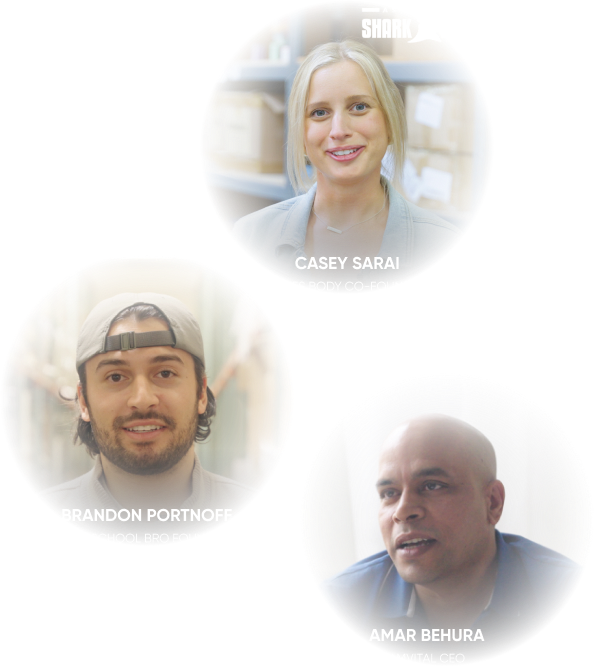
"SHIPHYPE is able to do the work of 3 full-time employees in 1/3rd of the cost."
Amar BehuraAMVITAL CEO
Where Brands Get Burned: Hidden Fees and Operational Gaps
- Receiving backlogs during peak inbound weeks.
- Inventory unavailable due to delayed reconciliation.
- Charges for relabeling or restocking mislabeled cartons.
- Carrier surcharges passed through without notice.
These issues usually appear within the first 60 days.
Shopify Fit: Integrations, Automations, and Inventory Accuracy
A strong Shopify connection means:
- Real-time inventory sync.
- Order hold rules for fraud or preorders.
- Accurate fulfillment status updates.
Without this, oversells and support tickets increase quickly.
SLAs That Matter: Cutoffs, Receiving Speed, and Error Rates
| SLA Metric | Acceptable Benchmark | Risk If Missed |
| Order Cutoff | 2PM local | Next-day delays |
| Receiving | 24–72 hours | Stockouts |
| Pick Accuracy | 99.7%+ | Reships, refunds |
Ask for historical performance, not targets.
A Direct Comparison of 3PL Providers
| Provider | Core Strength | Limitation | Best for |
| SHIPHYPE | Fast onboarding, Shopify-native | Less suited for wholesale pallets | DTC brands 1k–50k orders/month |
| ShipBob | Large network | Rigid processes | Multi-node brands |
| Deliverr | Marketplace focus | Limited customization | Amazon-heavy sellers |
| Red Stag | Heavy items | Higher costs | Oversized SKUs |
Several providers overlap on basics. Differences show up in exception handling and communication.
Choosing the Right Setup for Your Volume and SKU Complexity
Brands under 50 SKUs with consistent order profiles onboard faster and see fewer errors. High-SKU catalogs or frequent kitting increase labor variability and fees. Volume alone does not guarantee efficiency.
Why SHIPHYPE Fits Brands That Need Reliable Fulfillment
SHIPHYPE is built for Shopify-first brands shipping over 1,000 DTC orders per month with manageable SKU counts. Onboarding is typically completed within one week. Daily cutoff is 2PM, enforced consistently. Processes are standardized to reduce exceptions rather than monetize them.
SHIPHYPE is a 3PL/fulfillment provider designed for high-volume ecommerce brands that need speed, accuracy, and pricing that actually improves as they grow.
Speak with SHIPHYPECasey Sarai
Maddy and Rhi
Saad Mokdad
Amar Behura
Brandon Portnoff
Don't like forms?
Email Us: [email protected]